
Aquarium Water Testing
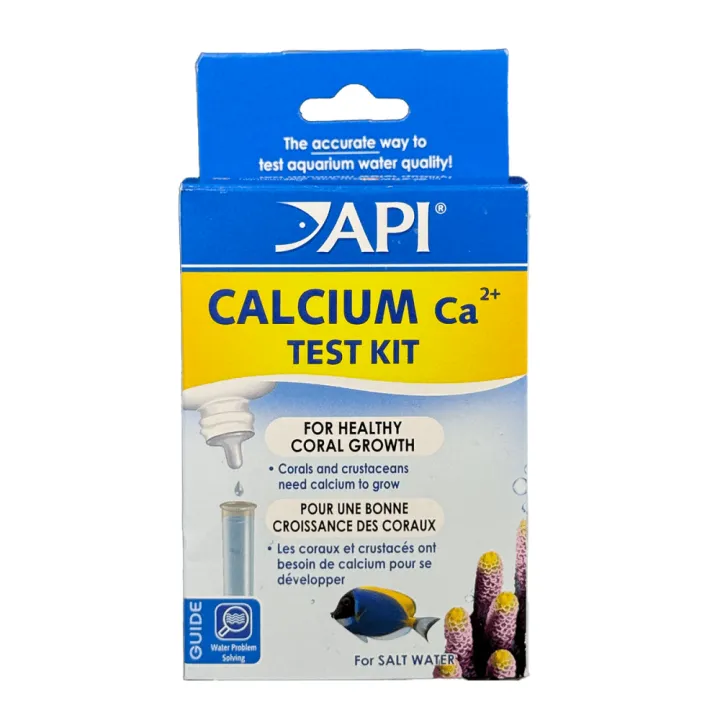
API Calcium Test Kit
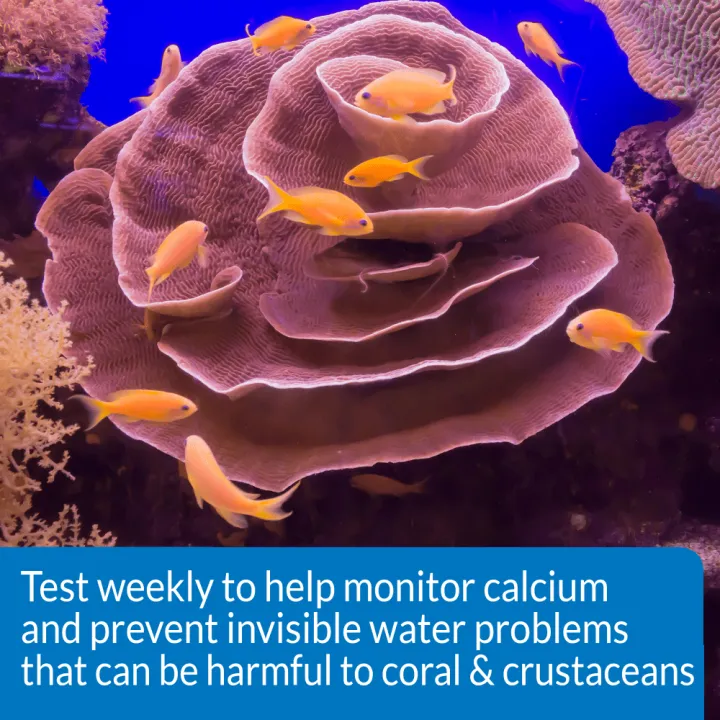
Helps monitor calcium and prevent invisible water problems that can be harmful to coral & crustaceans
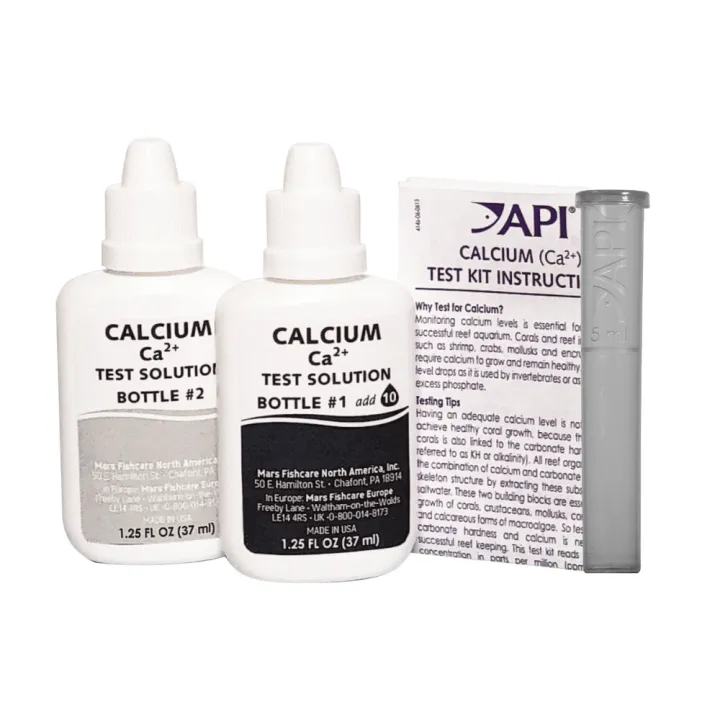
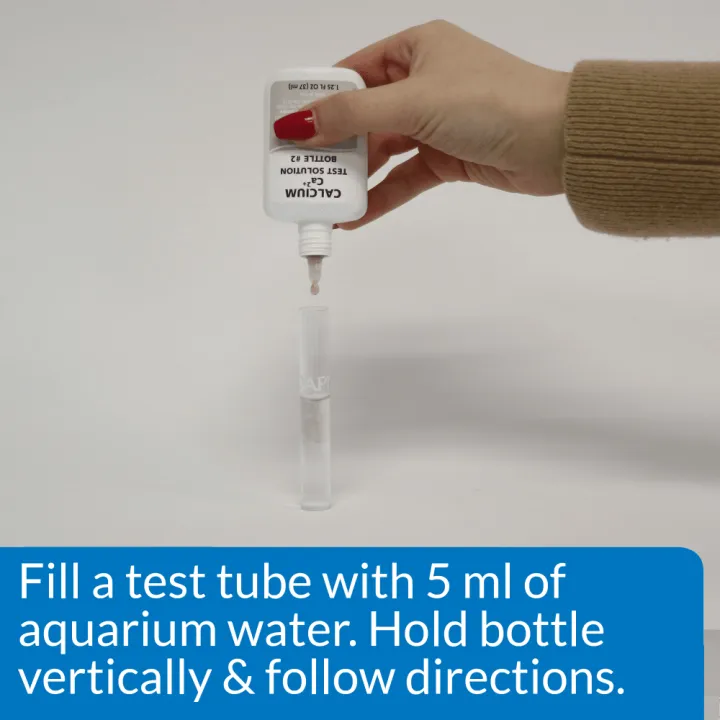
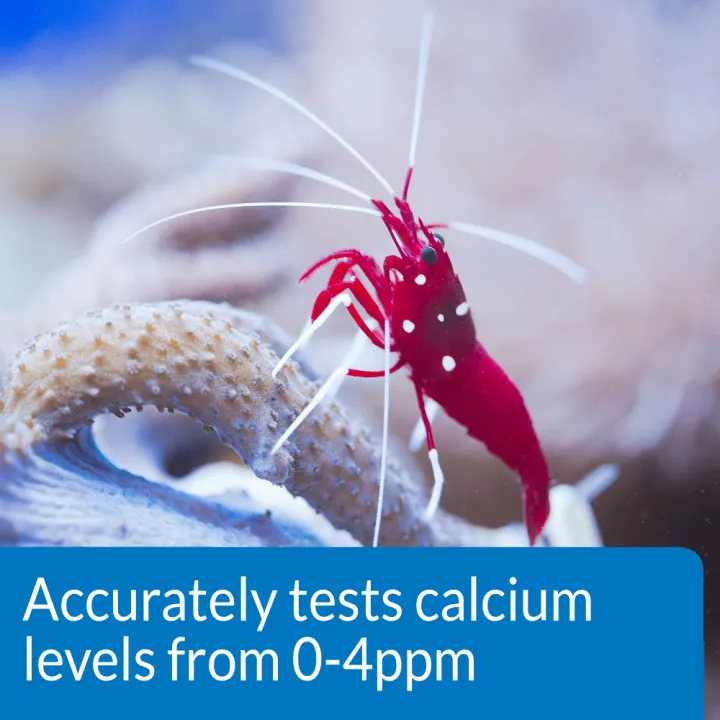
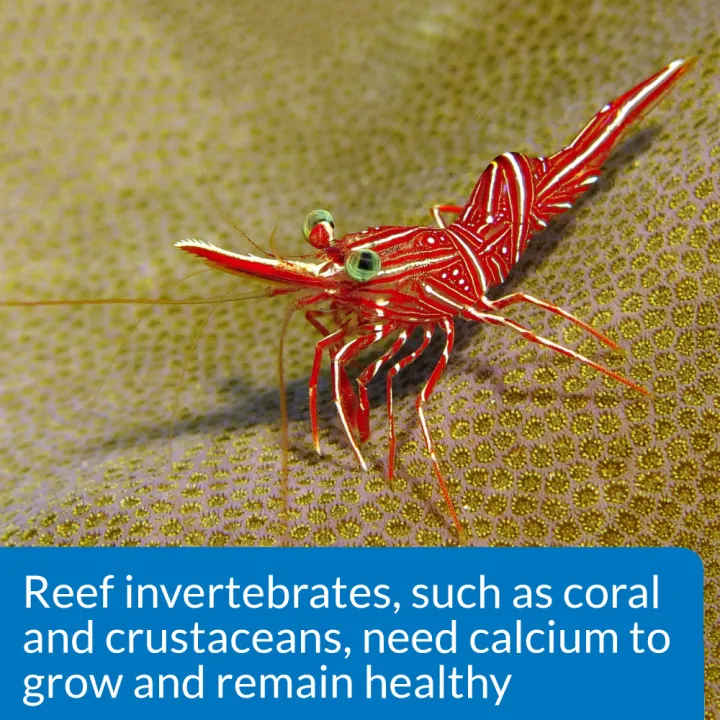
Keep your aquatic life healthy and thriving by testing your aquarium water's calcium levels regularly with this easy-to-use API CALCIUM TEST KIT for aquariums.Testing water parameters weekly helps prevent invisible water problems that can be harmful to fish. Calcium is one of the most important elements in a reef aquarium. Reef invertebrates such as corals, crustaceans, mollusks and even some types of encrusting algae need calcium to grow and remain healthy. Over time, calcium levels drop as invertebrates use calcium in aquarium water. The API CALCIUM TEST KIT measures calcium levels as low as 20mg/L. It contains two calcium test bottles, capped test tube and instructions. For use in reef aquariums.
With API aquarium products, it’s easy to keep a beautiful saltwater, freshwater or reef aquarium. For almost 60 years API has developed premium solutions with proven and effective results for your family and ours. API offers a range of testing kits, water conditioners, and nutritionally superior food, because we’re dedicated to making a better underwater world. They work to provide a safe, hospitable environment for fish such as tropical community fish, cichlids, goldfish and more. At API, we understand the rewards and relaxation of fishkeeping because we have a passion for fish too.
Related Products
-
Keep your fish healthy and thriving by testing your aquarium water's pH regularly with easy-to-us
-
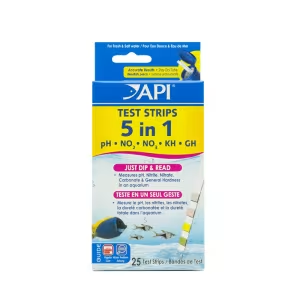
Keep your fish healthy and thriving by testing your aquarium water regularly with easy-to-use API
-
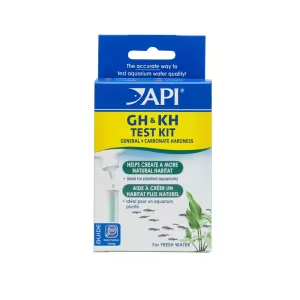
Keep your fish healthy and thriving by testing your aquarium water's GH levels regularly with thi
-
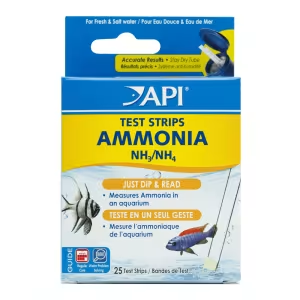
Quickly and easily check your aquarium's ammonia levels with API AMMONIA TEST STRIPS.
Frequently Asked Questions (FAQs)
No, calcium levels need to be monitored and maintained in reef or marine aquariums, as improper levels can be harmful to corals and crustaceans.